
Introduction:
Cost Segregation Studies can yield a variety of outcomes based on building type and condition. A frequent question we receive is how does cost segregation work for building type x? As a result, we have started as series of blogs that discuss cost segregation for a variety of building types (links below).
Restaurants present a unique opportunity for substantial tax savings with a cost segregation study. Without a study, the traditional 39-year depreciation cycle is utilized, which restricts owners to minimal deductions over nearly four decades. However, a strategic analysis of eligible furniture, fixtures, equipment, plumbing, and HVAC by a cost segregation provider can potentially elevate depreciation deductions by up to 40% in the first year, resulting in significant short-term tax savings.
Illustrative Example
Consider ABC Restaurant’s experience with a 2,000 square foot dining room and full kitchen purchased for $1,000,000 in 2023. In the initial year, they received $12,821 in depreciation deductions, yielding $4,487 in tax savings. After implementing a cost segregation study in 2023, they secured a $339,941depreciation deduction, translating to $118,979 in net tax savings (tax affected at a 35% rate).
Differentiating Factors for Restaurants:
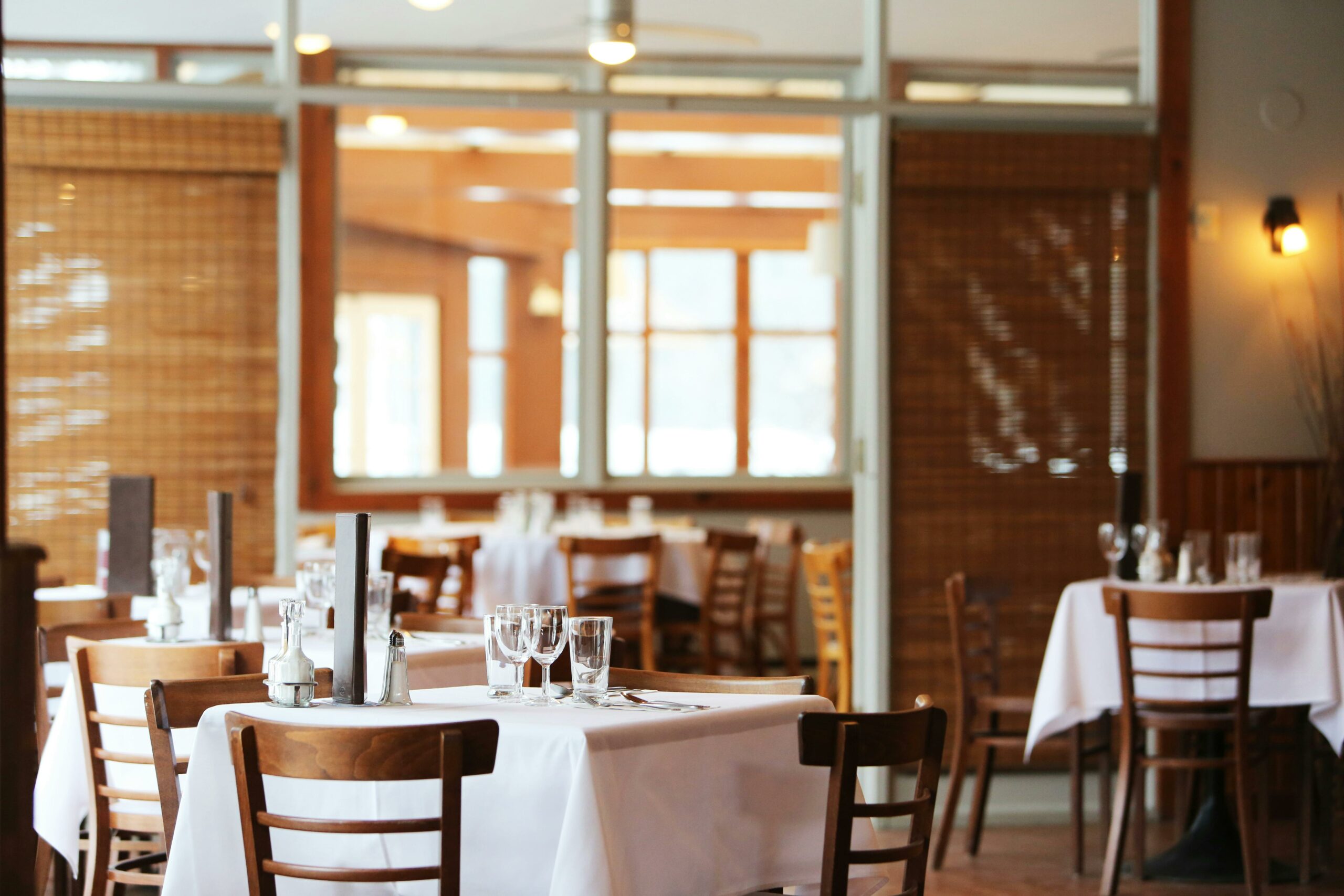
The extent of additional deductions for a Restaurant hinge on several factors. The largest factor that distinguishes a restaurant from all other building types is the Kitchen. Due to certain case law and legal language found in the tax code, restaurants can look at items like plumbing, HVAC, and other mechanical features as write-offs, while other buildings cannot. Second, the quality of materials used in the dining area can increase the allocation to personal property (write-offs). Items like a bar area, dining booths, and accent walls all present opportunity when calculating tax savings. Finally, land features such as parking lots, patios, and landscaping also contribute to increased deductions, making a cost segregation study indispensable for restaurants.
Conclusion:
In essence, the success of a cost segregation study lies in reclassifying items from real property to personal property. Key determinants of the yield include the kitchen area, the quality of materials used in the dining area, and the presence of onsite parking or landscaping features. These are few examples out of many that make restaurants good cost segregation candidates. Accurate quantification of these qualified tax savings requires a blend of construction, engineering, and tax expertise. With over 20 years of experience, Alternate Tax Solutions specializes in all facets of cost segregation studies. Visit our homepage for more information and to schedule a free consultation.